

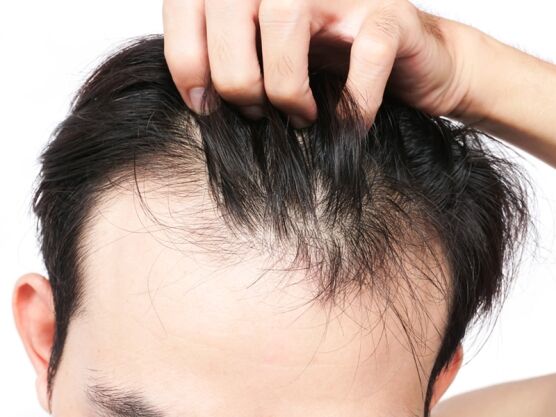
A hair transplant is a type of surgery that takes hair that you already have and uses it to fill in areas that are bald or thinning. Hair transplants have been performed since the 1950s, but the techniques used have changed quite a lot in the past decade or so.
First, the hair transplant team will clean your scalp and inject local anaesthetic to numb the back of your head. Your doctor will choose one of two methods for the transplant: follicular unit transplant (FUT/strip method) or follicular unit extraction (FUE).

Follicular Unit Transplant
With FUT, the doctor removes a 6- to 10- inch strip of scalp from the back of your head. He sets it aside and stitches the scalp closed. This area will be left with a scar where the strip of scalp was removed. Some scars are worse than others.
Next, the hair transplant team will divide this strip of scalp into the required amount of hair grafts. Each graft has either 1 to 5 hairs in it. The amount of hair in each graft will depend on your hair quality and the size of the area where you are getting the hair transplant.
If you are getting the FUE procedure, the hair transplant team will need to have the back of your head shaved in the donor area. This is the area that the follicular unit grafts will be extracted from. The area will heal with small dots that are smaller than 1 mm, and the surrounding hairs will grow back to leave a virtually scarless result.
Techniques
The harvesting technique used is the only real difference between these two techniques, and the rest of the procedure is pretty much the same after this point. After the grafts have been counted and prepared, sites will be strategically made in the area where the hairs will be going. It is important to make sure that the hairline is natural-looking. Density is very important as well. The angles and depth of the implanted grafts are also crucial for the hair transplant to look as natural as possible.
It takes a fairly big team to complete a successful hair transplant procedure. There will be nurses and team members involved in every moment of the procedure, from harvesting to counting and sorting the grafts to implanting the transplanted grafts.
Depending on the size of the transplant that you are getting, the process can take up to 14 hours. You may also need another procedure later if you continue to lose hair or you just decide that you want thicker hair in certain areas such as the frontal hairline.
If you’re interested in knowing more about hair transplants, contact the Toronto Hair Transplant Clinic for more details.
Additional Articles About Hair Transplant Treatment
Hair Transplant Articles
- Do I Need To Shave My Head For An FUE Hair Transplant?
- Affordable and Effective FUE Hair Transplant
- The Hairline Is The Most Important Part Of A Hair Transplant
- Why Have A Hair Transplant?
- The Background Of Hair Transplantation
- Hair Care And Styling After A Hair Transplant
- The Etiology Of Hair Transplantation
- Finance Options For A Hair Transplant
- Hair Transplant Reversal
- Does The Weather Affect My Hair Transplant?
- 5 Things You Need To Know About Hair Transplants
- 5 Tips About Hair Transplantation Part 2
- 5 Tips About Hair Transplantation – Part 1
- Platelet-Rich Plasma (PRP) Therapy at the THTC
- What Causes “Hot Tub Folliculitis”?
- 4 Ways You Know That You Are Ready To Get A Hair Transplant
- Can A Hair Transplant Look Natural?
- Your Guide to Choosing the Right Toronto Hair Transplant Clinic
- SmartGraft is One of the Best Hair Transplant Options in Toronto
- The Dangers of Getting Your Hair Transplant Overseas
- Difference Between a SmartGraft Hair Transplant and Hair Plugs
- Does an FUE Hair Transplant Hurt?
- Hair Transplant Scarring
- Toronto SmartGraft—How to Ensure Your Best Result After Your Hair Transplant Procedure
- Find Out What to Expect from Your Toronto SmartGraft Hair Transplant Consultation
- Learn The Commonly Used Terms at Your Toronto Hair Transplant Clinic
- SmartGraft Hair Transplant – Learn Why Follicular Unit Extraction Has Become So Popular in Toronto
- Shedding After an FUE Hair Transplant
- Here’s What You Really Get for the Cost of a Hair Transplant
- How to Make Sure Your Hair Transplant Cost is Worth it
- How Long Does It Take to See Hair Transplant Results? [A Patient’s Guide]
- How is Female Hair Transplant in Toronto Different?
- Is FUE Hair Transplant Permanent? Here’s What Realistic Surgeons Say
- Hair Transplant Before and After – Benefits and When to Expect Them
- Beard Hair Transplants Are Trending in 2019: Here’s What You Need to Know
- FUE Cost in 2019: What Makes It a Better Investment Today?
- Hair Transplant in Toronto or PRP? A Guide to Choosing the One You Need
- Toronto Hair Transplant Results: Why Do Some Look Better Than Others?
- FUE Toronto: Do You Know What It Can Do for You?
- FUE: How Does It Compare to Your Hair Loss Solutions?
- FUE Hair Transplant: The Surprising Reasons Some People Choose It
- Hair Transplant Toronto: How to Get Results You’ll Still Love in 10 Years
- PRP vs. Hair Transplant in Toronto: Which Is Better for You?
- Hair Transplant for Long-Hair Patients? Yes, It’s Possible
- Hair Transplant Before and After: Your FREE GUIDE to Getting the Results
- What s the Price of a Hair Transplant in Toronto?
- Why Choose FUE Hair Transplant Treatment?
- What to Expect from the Toronto Hair Transplant Clinic
- What You Can and Can’t Do the Week After a Hair Transplant
- What Is a Hair Transplant?
- Manual Hair Transplants or Automated Follicular Transplantation: What’s better?
- Losing Confidence Because of Hair Loss? Restore Your Appearance with a Hair Transplant.
- If You’re Thinking of a Hair Transplant, Consider These Things
- Hair Fall
One-on-one consultations in Toronto — in person or virtual.


