

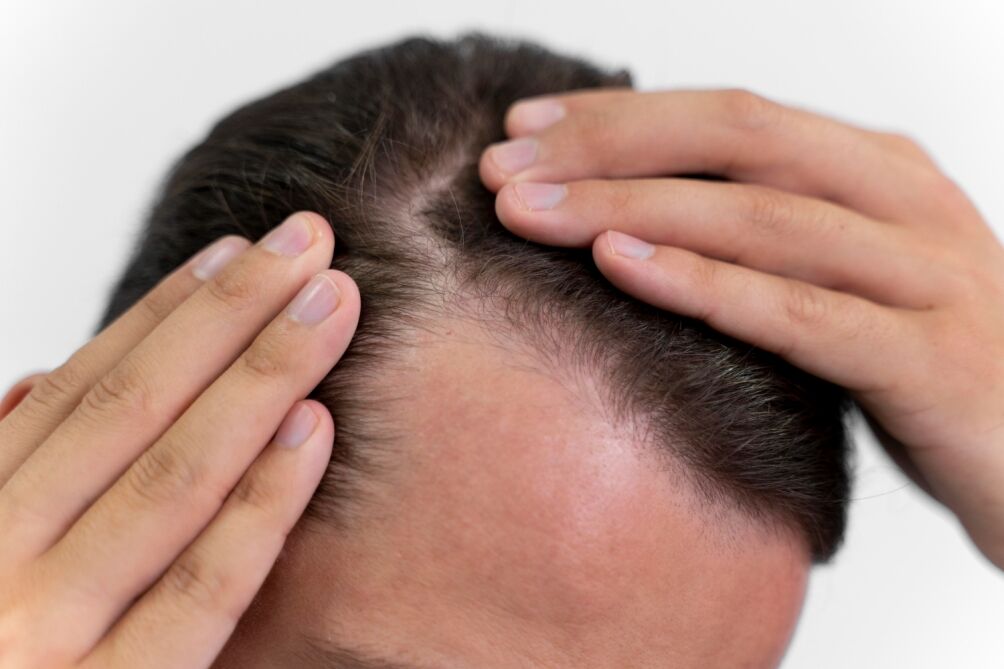
Make Sense of Hair Restoration Before You Choose
A robotic hair transplant can sound like a completely different procedure from follicular unit excision (FUE), which can make hair loss decisions feel more confusing than they need to be. In most cases, “robotic” describes a technology-assisted way of performing part of an FUE procedure, not a separate form of hair restoration.
When we assess hair loss, the device is only one consideration. Your hair loss pattern, available donor hair, scalp health, hair characteristics, goals, and the chance of future thinning all matter. Below we explain how robotic-assisted extraction and FUE planning compare, along with the limits worth discussing before treatment.
What Robotic Hair Transplant and FUE Really Mean
FUE stands for follicular unit extraction. During an FUE hair transplant, individual follicular units are removed from a donor area of the scalp and prepared for placement in thinning areas. A robotic hair transplant generally refers to technology-assisted graft extraction within that broader FUE process.
FUE can be performed with manual instruments, powered devices, or technology-assisted systems. Extraction matters, but it is only one part of the procedure. We also need to consider hairline design, recipient-site creation, graft handling, placement, and how the restored area may look as your natural hair changes over time.
Natural-looking hair restoration is not determined by a machine alone. It depends on thoughtful clinical planning, including:
- how grafts are distributed across the scalp
- the direction and angle of placed hairs
- appropriate donor-area management
- realistic density expectations
- a plan that accounts for ongoing hair loss
For some people, robotic assistance may be part of an appropriate plan. For others, another FUE approach may make more sense.
Protecting Donor Hair During FUE Planning
Your donor area is a limited resource. Hair is commonly harvested from areas that may be more resistant to pattern hair loss, but donor density, hair calibre, texture, and scalp characteristics vary from person to person. That is why we do not view grafts as an unlimited supply.
Careful planning is especially important when you have a receding hairline, crown thinning, diffuse thinning, male pattern hair loss, or female pattern hair loss. Treating one area too heavily may reduce flexibility if thinning continues elsewhere.
During an individualized assessment, we look beyond the area you want to cover right now. Planning may include consideration of the following:
- Hair thickness, texture, and curl pattern
- Contrast between your hair and scalp
- The shape and stability of the donor area
- Your family history of hair loss
- Whether your current thinning may progress
A lower hairline or a denser-looking crown can be appealing goals, but both need to fit within a long-term plan. We want the approach to make sense for your current concerns without overlooking future options.
Where Robotic Hair Transplant Technology Has Limits
Robotic hair transplant technology may suit some candidates, but it has patient-specific limits. Hair length, curl or texture, colour contrast between the hair and scalp, donor-area scarring, and scalp characteristics can all affect whether a particular system is appropriate.
Technology-assisted extraction also does not replace clinical judgement. We still need to determine whether hair transplantation is suitable, how many grafts may be considered, where they should be placed, and how to protect the appearance of the donor area.
Convenience can be part of the conversation, but it should not be the only deciding factor. The same applies to assumptions about outcomes. A device may be useful for one person, while manual or powered FUE may be more suitable for another. The better question is not whether robotic technology is automatically better, but whether it supports a plan that fits your hair loss concerns and priorities.
Your Hair Loss Pattern Shapes Treatment Choices
A hair transplant is not always the first or only option for hair loss. Hair shedding, a receding hairline, crown hair loss, diffuse thinning, and progressive pattern hair loss can call for different discussions. We begin by looking at the pattern and history of your hair loss rather than assuming that one treatment fits everyone.
Depending on your needs, a plan may include one or more of the following:
- FUE hair transplant procedures
- SmartGraft treatment planning
- Platelet-rich plasma (PRP) therapy
- Scalp micropigmentation (SMP)
- Other physician-guided hair loss treatments
Younger people and those with active hair loss often need particularly careful long-term planning. Restoring a very low hairline or concentrating grafts in the crown may not suit future thinning patterns. In some situations, a staged approach or non-surgical option may be worth considering before, alongside, or instead of a surgical procedure.
Questions to Cover During Your Toronto Assessment
A useful hair restoration assessment should involve more than a quick look at the thinning area. We review your medical history, hair loss history, current medications, previous hair restoration procedures, scalp condition, donor area, and personal goals. This helps us discuss what may be realistic for you.
Bring questions that help you understand both the potential role and the limits of treatment. For example, you may ask:
- Am I a candidate for FUE or robotic-assisted extraction?
- How might my donor area be managed?
- Could ongoing hair loss affect the plan?
- What does recovery involve? What limitations should I understand?
- What training and experience does the practitioner have (including whether they are Royal College-certified, where applicable)?
Clear answers matter. Hair restoration planning should leave room to discuss risks, donor supply, future hair loss, and the appearance that you hope to achieve, rather than focusing only on the extraction method.
Choose a Thoughtful Path for Hair Loss
Robotic assistance is one option within hair restoration planning, not a replacement for personalized care. Both technology-assisted extraction and other FUE approaches may have a role depending on your donor supply, hair loss pattern, scalp characteristics, and priorities.
The most helpful next step is to understand the full picture before choosing a procedure. A careful assessment can clarify whether FUE, SmartGraft, PRP therapy, scalp micropigmentation, or another approach may fit your situation, while keeping future hair loss in mind.
Plan Your Hair Restoration with Confidence
At The Toronto Hair Transplant Clinic, we help patients weigh the practical considerations of a robotic hair transplant alongside other hair loss treatment options. Our team can discuss donor supply, hairline design, recovery expectations, and long-term planning in relation to your goals. Contact us to arrange a consultation and receive guidance tailored to your pattern of hair loss.


