

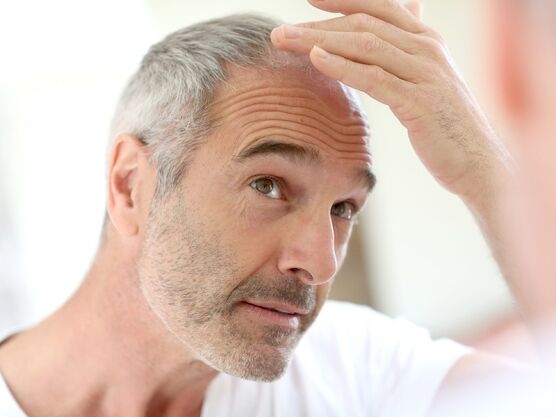
As hair loss can be related to various factors, you can control some factors that contribute to this phenomenon. It is common knowledge that aggressive bleaching of hair and constant tugging or pulling can damage hair. However, many people experience hair loss because of little daily behaviours that cause an issue over time. Here we point out some frequent bad habits that you can recognize and correct to help maintain healthy, beautiful hair after a hair restoration treatment.

Hair Washing Habits
Everyone enjoys a hot shower, but your scalp does not because the high water temperatures have a tendency to dehydrate. This causes an overproduction of oils, which can affect your hair care and its health. After getting out of the shower, another unfortunate habit that most people have is to scrub their hair with a towel. Wet hair is most fragile, and this type of rigorous motion can contribute to extensive hair damage and breakage. You may be surprised that we do not advise wrapping your wet hair in a towel for the same reason. A good alternative is to gently pat your hair with the towel to absorb the water.
Wearing Tight Hairstyles
Regularly wearing your hair in a tight style (whether a bun, ponytail, or tight braids) can lead to hair loss in the future. The tightness increases friction and tugging motions that can stress the hair follicles that are responsible for hair growth. This can cause a condition called traction alopecia. To reduce your risks of traction alopecia, avoid wearing your hair in tight hairstyles. Alternatively, you can also choose gentler methods for styling your hair such as scrunchies rather than elastics with metal parts.
Brushing Wet Hair
Although brushing your hair when it is wet makes it easier to detangle, it can cause more damage to your strands because, as mentioned previously, wet hair is fragile. This bad habit can simply be fixed by switching from a brush to a wide-toothed comb and being gentle throughout the brushing process. We also suggest drying your hair slightly beforehand so that it is less vulnerable yet damp enough to comb through easily.
Applying Heat
When you have beautiful hair, it is understandable that you want to style it with tools such as blow dryers, straighteners, and curling irons. However, these tools all require the use of high heat, which can break strands and cause hair to fall out more often. Of course, this does not mean these tools cannot be used if you want healthy hair. Instead, we advise our clients to lower the heat settings, avoid using these tools too close to the scalp, and use straighteners or curling irons sparingly.
Using The Wrong Hair Products
Not all haircare products are created equally, so it certainly pays off to look at the ingredients in your preferred shampoo or conditioner. Often there are harsh chemicals such as alcohol, artificial fragrances, parabens, and sulphates added to the product that can result in hair damage over time, meaning that you might need hair loss treatment in the future.
At the Toronto Hair Transplant Clinic, we want to support our clients in achieving and maintaining a healthy head of hair. If you have any questions regarding hair care, hair loss, and/or the types of hair loss restoration available, feel free to contact us at our Toronto location.
Additional Articles About Hair Restoration
Hair Restoration Articles
- What Are The Different Types Of Hair Loss Conditions?
- What Is The Link Between Birth Control Use And Hair Loss Treatment?
- Hair Care For The New Year
- What to Do If Your Skin Is Breaking Out After Your Hair Loss Treatment
- Hair Restoration Toronto
- Hair Restoration Treatments & Alternatives
- Hair Extensions and Hair Loss
- When to Be Concerned About Temporary Hair Loss
- Using FUE Hair Transplant Technology to Repair Scars
- Young Males Battling Hair Loss
- How Can Laser Hair Restoration Help Me?
- Do Young Balding Men Need a Long-Term Hair Restoration Plan?
- Other Causes of Temporary Hair Loss
- Laser Hair Restoration
- What to Do Once You Encounter Signs of Hair Loss
- An Overview of Platelet-Rich Plasma Therapy
- Hair Transplants Are Not the Best Hair Restoration Treatment for Alopecia Areata
- Existing Hair Restoration Treatments
- Forget What You Know About Hair Transplant Scars: FUE Changes Everything
- FUE Toronto: Why You’ll Want to Consider This Method First
- How Does FUE in Toronto Work to Restore Hair Without Visible Scarring?
- PRP Hair Treatment: Not Just for Vampires Anymore
- What Is PRP Hair Treatment? Here Are the Top Reasons You Need to Know
- The Toronto Hair Transplant Clinic Now Offers SmartGraft!
- The Anatomy of Hair Transplantation
- Progesterone As A Treatment For Hair Loss
- What Is The Normal Amount Of Hair Loss?
- The Joys Of Hair Restoration
- Tried and Tested Tips to Control Hair Fall
- The Differences Between Male and Female Hair Loss
- Staying Ahead of Hair Loss with Better Prevention
- PRP Therapy
- PRP and LLLT for Hair Restoration
- How Thyroid Disease Can Cause Hair Loss
- How To Cope With The Stress Of Your Hair Loss
- How Hair Restoration Treatments Have Evolved over the Years
- Hairline Restoration
- Hair Transplant Treatment: Advantages & Disadvantages
- Hair Replacement
- Hair Restoration
- Hair Loss In Cats
- Hair Loss Styling Tips For Women
- Hair Loss is in Your Genes – Part 2
- Hair Loss is in Your Genes – Part 1
- Hair Loss Treatment
- Hair Growth Treatment
- Hair Loss After Pregnancy
- Hair Loss – Alopecia
- Hair Loss
- FUT, FUE, DHI – Explaining Different Hair Transplantation Techniques
- Fighting Male Pattern Baldness with Hair Restoration Treatments
- Ethnicity, Gender, And Hair Restoration
- DHT and Hair Loss
- Does Hair Really Grow After a Transplant?
- Bad Habits That Can Damage Your Hair
- A Couple of Myths About Hair Loss
One-on-one consultations in Toronto — in person or virtual.


